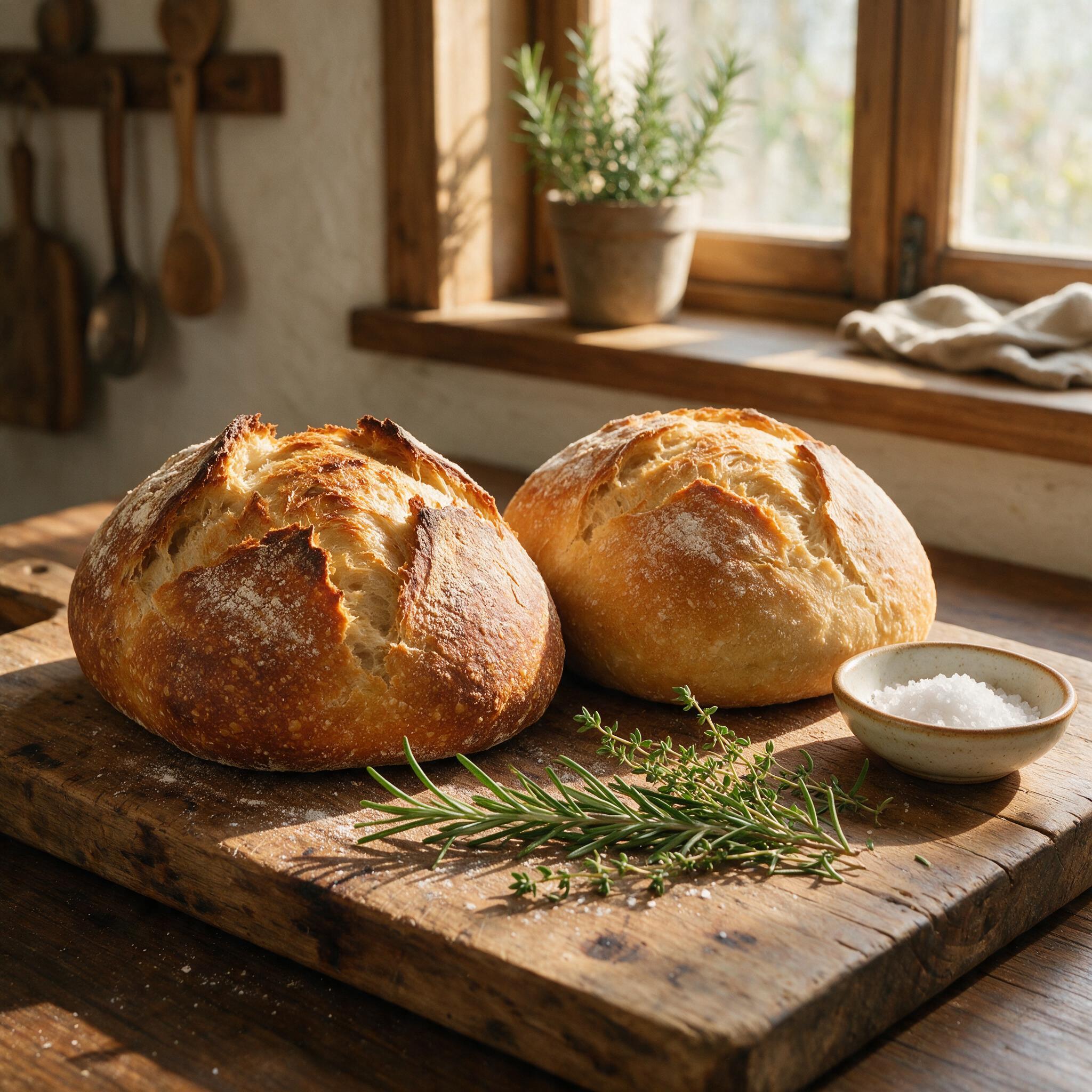
A sourdough loaf that tastes overwhelmingly sour — sharp, almost pickle-like — is a common problem, especially for newer bakers. The good news: sourdough sourness isn't random. It's controlled by four specific variables, and once you know them, you can dial your loaf to the exact tang level you want.
This guide covers what actually creates sourness, how to test your current sourness level, and the four levers to pull to make a milder (or more complex) loaf. The key insight: most of the time, your bread is too sour because your bulk was too long or too cool, not because of a fundamental problem with your starter.
If your bread is not sour enough and you want more, there's a section for that too — the same four levers work in reverse.
What Makes Sourdough Sour (and Why It Matters)
Sourdough gets its tang from two organic acids produced during fermentation: lactic acid (mild, yogurt-like, dairy-creamy) and acetic acid (sharp, vinegar-like, almost wine-like). The balance between these two is what makes your bread taste "complex" vs "sharply sour."
Lactic acid is produced by lactobacillus bacteria that thrive in warmer, more humid environments. A bulk at 78°F with high hydration (75%+) produces more lactic acid. Lactic acid gives the bread a deep, rounded, almost cheesy flavor.
Acetic acid is produced by other lactobacillus strains that thrive in cooler, more acidic environments. A bulk at 68°F with lower hydration (65-70%) produces more acetic acid. Acetic acid gives the bread the sharp, almost vinegary edge that some people love and others find overpowering.
Most "too sour" complaints are really about too much acetic acid — the sharp vinegar note dominates the more pleasant lactic acid. The fix is almost always: warmer bulk, higher hydration, or shorter time. All four of these push the balance toward lactic and away from acetic.
The natural level for most home bakers is a noticeable but not aggressive tang — present in the background, complementing the bread's flavor rather than dominating it. If your bread makes guests wince, you're probably over on the acetic side.
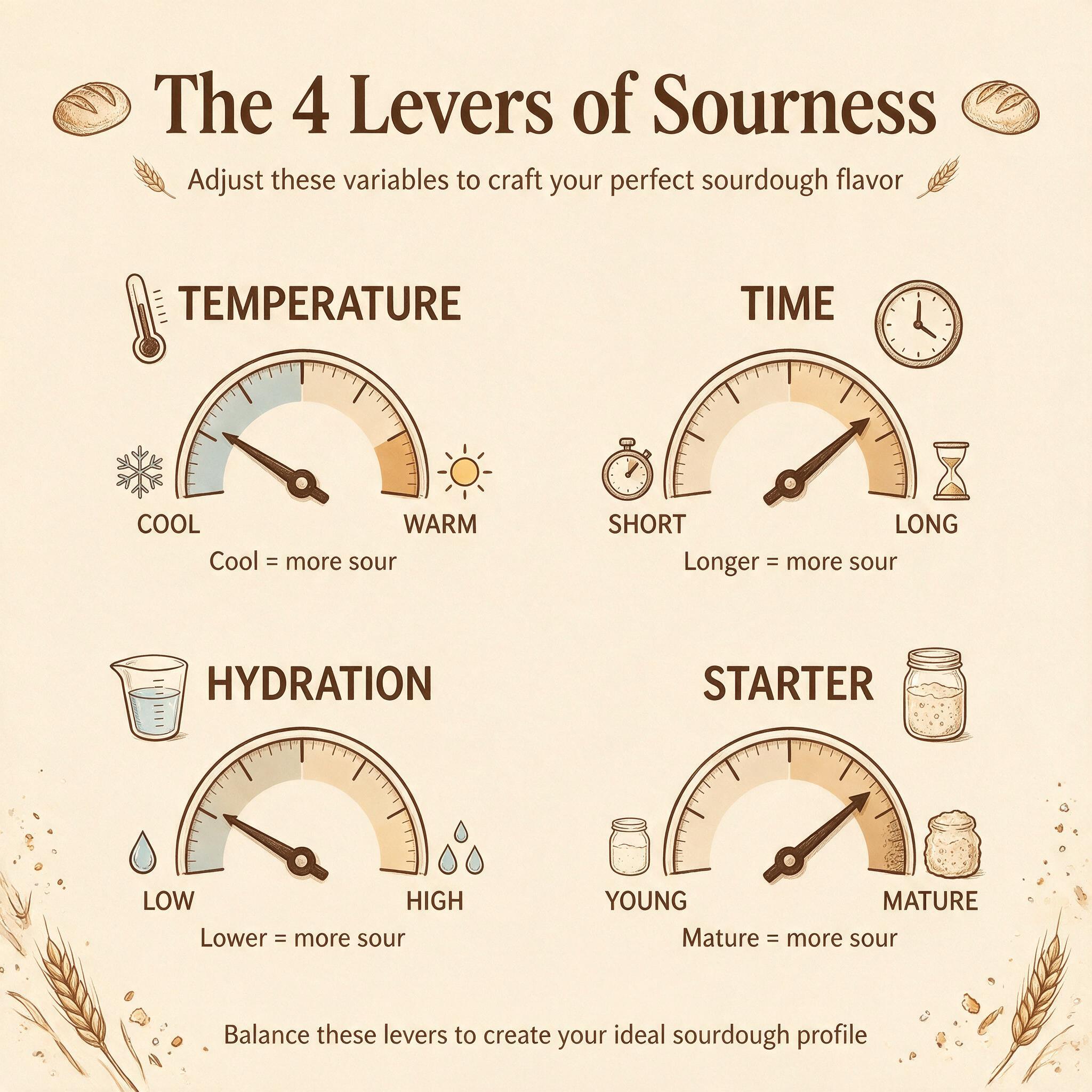
The 4 Levers That Control Sourness
You can adjust sourness by manipulating any of these four variables. Each one pushes the balance in a specific direction. They also interact, so changing one often means adjusting the others.
1. Temperature
This is the most powerful lever. Warmer dough ferments faster and produces more lactic acid relative to acetic. Cooler dough ferments slower and produces more acetic.
- •Bulk at 78-82°F: Lactic-dominant, mild and complex. The flavor develops in 3-4 hours.
- •Bulk at 72-76°F: Balanced. Most recipes assume this range.
- •Bulk at 65-70°F: Acetic-dominant, sharp and tangy. The flavor develops over 8-12 hours.
If your bread is too sour, the most likely fix is: warm up your bulk. Aim for 75-78°F. If your kitchen is cold, use the oven with the light on, or a proofing box.
2. Time
Longer fermentation = more total acid = more sour. But the kind of sourness changes with temperature, so time alone is less powerful than time + temperature.
- •3-4 hour bulk (at 76°F): Mild, complex, lactic-dominant.
- •6-8 hour bulk (at 76°F): Balanced, with a clear tang.
- •12-24 hour bulk (at 76°F): Very sour, the dough will be over-proofed but the flavor is deep.
If your bread is too sour and you're already doing a long bulk, shorten it. But also check the temperature — a 4-hour bulk at 65°F is the same as a 2-hour bulk at 75°F, but the cold one tastes more vinegary.
3. Hydration
Higher hydration doughs produce more lactic acid relative to acetic. Lower hydration doughs produce more acetic.
- •80% hydration: Very mild, lactic-dominant, almost sweet.
- •70-75% hydration: Balanced, with the typical sourdough tang.
- •60-65% hydration: Sharper, acetic-forward, almost rye-like in character.
The reason higher hydration is milder isn't just about acid type — it's also that the dough ferments faster (more enzymatic activity in a wetter environment), so it doesn't have time to over-produce acetic. The combination of higher hydration + shorter bulk + warmer temp is the recipe for a mild loaf.
If your bread is too sour, try bumping hydration from 70% to 75% and shortening the bulk by an hour. The crumb will be more open and the flavor will be rounder.
4. Starter Maturity and Type
A young starter (less than 1 week old) produces more acetic acid. A mature starter (3+ weeks old) produces a more balanced ratio. A starter fed with whole wheat or rye produces more acid than a starter fed with white flour.
- •Young starter: Acetic-dominant, sharp.
- •Mature starter (3+ weeks): Balanced.
- •Whole wheat or rye-fed starter: More acid, more complex.
- •White-flour-fed starter: Less acid, milder.
If your starter is young, give it 2-3 more weeks of regular feedings. The microbial balance matures with age. You can also feed with a mix of white and whole wheat for a more complex starter without the sharp edge of a young one.
How to Test Your Current Sourness
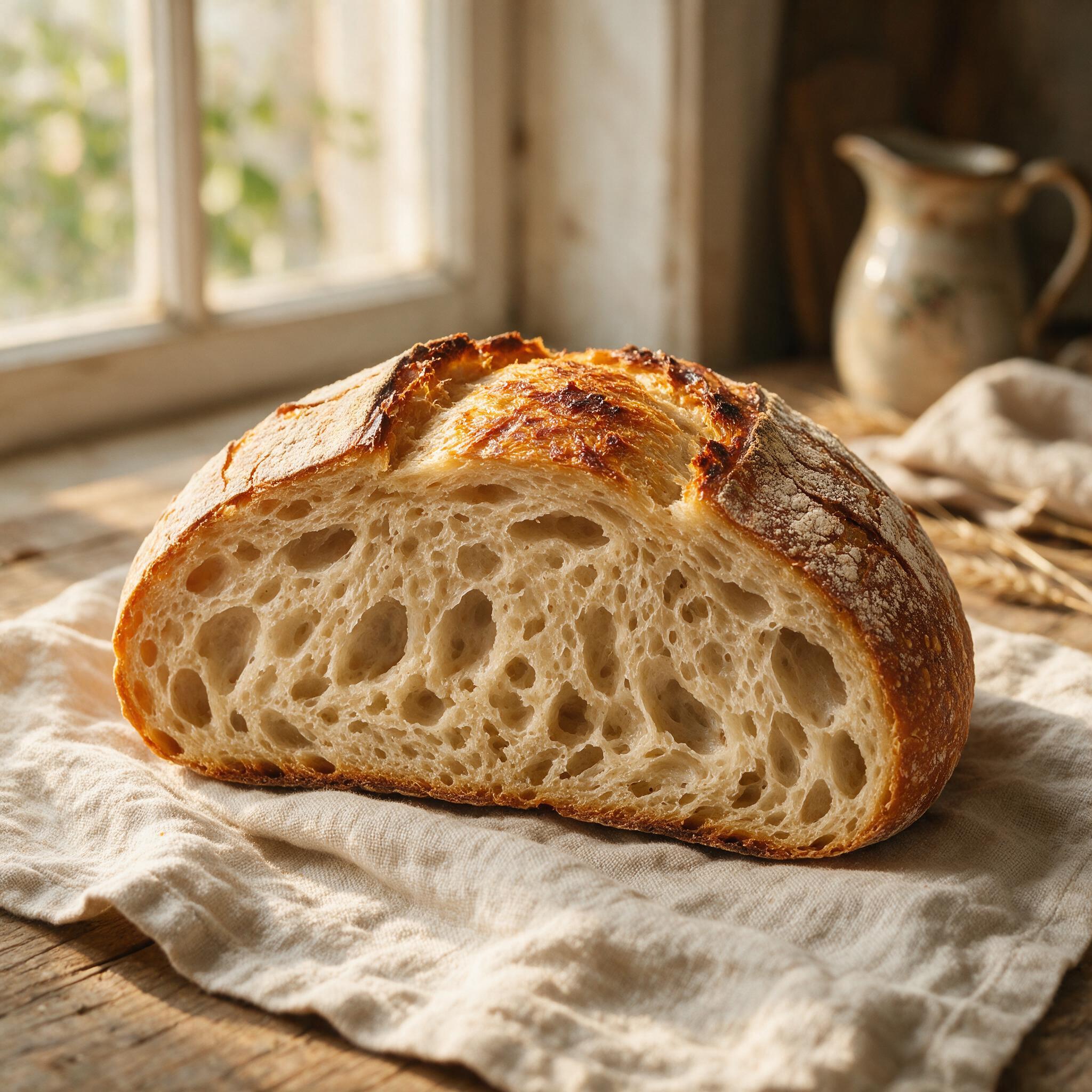
Before changing anything, taste your current loaf and rate it. This is a useful habit because sourdough flavor is on a spectrum and you can change it gradually.
- •No tang at all: Probably under-fermented or your starter is very mild. Try a 6-hour bulk at 75°F.
- •Mild, complex, yogurt-like: Probably the lactic side is dominating. This is often the goal.
- •Noticeable tang, balanced with grain and crust flavor: Probably your sweet spot.
- •Sharp, vinegar-forward, dominates everything: Probably the acetic side is too high. Reduce time, increase temp, or both.
- •Bite-your-tongue sour, almost no other flavor: Likely over-fermented or your starter is too old / unhealthy. Discard and start a new build.
Most people who say "too sour" are in the second-to-last category — sharp enough to notice, not balanced with the rest of the flavor. The fix is small: warm the bulk 3-5°F and shorten the time by 30-60 minutes. The change is dramatic.
How to Make Sourdough MILDER
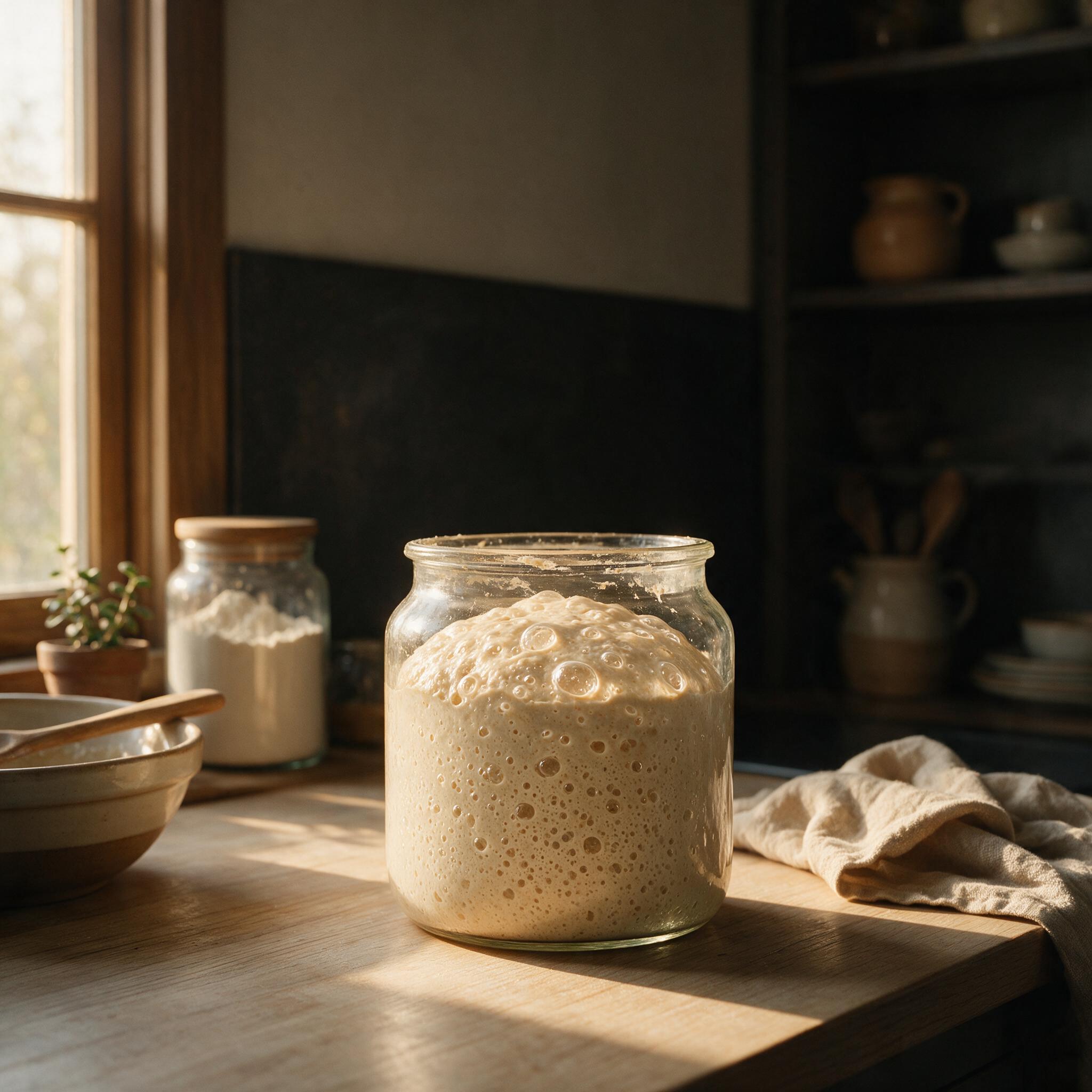
If you want a less sour loaf, do all of these in combination:
- Bulk at 78-80°F, not 70-75°F. The most powerful single change.
- Shorten bulk time by 30-60 minutes. Less time = less total acid.
- Increase hydration by 3-5%. Higher hydration = more lactic, less acetic.
- Use a mature, white-flour-fed starter. Skip the whole wheat / rye in the starter until you've dialed in your preferment.
- Reduce the percentage of starter in the recipe. If you're using 20% levain, drop to 15%. Less yeast = slower fermentation = less time over the threshold.
The combination of warmer + shorter + higher hydration is the trifecta for a mild, complex loaf. The crust still has the slight tang that says "this is sourdough" — but the crumb itself is rounded and lactic-dominant.
How to Make Sourdough MORE SOUR
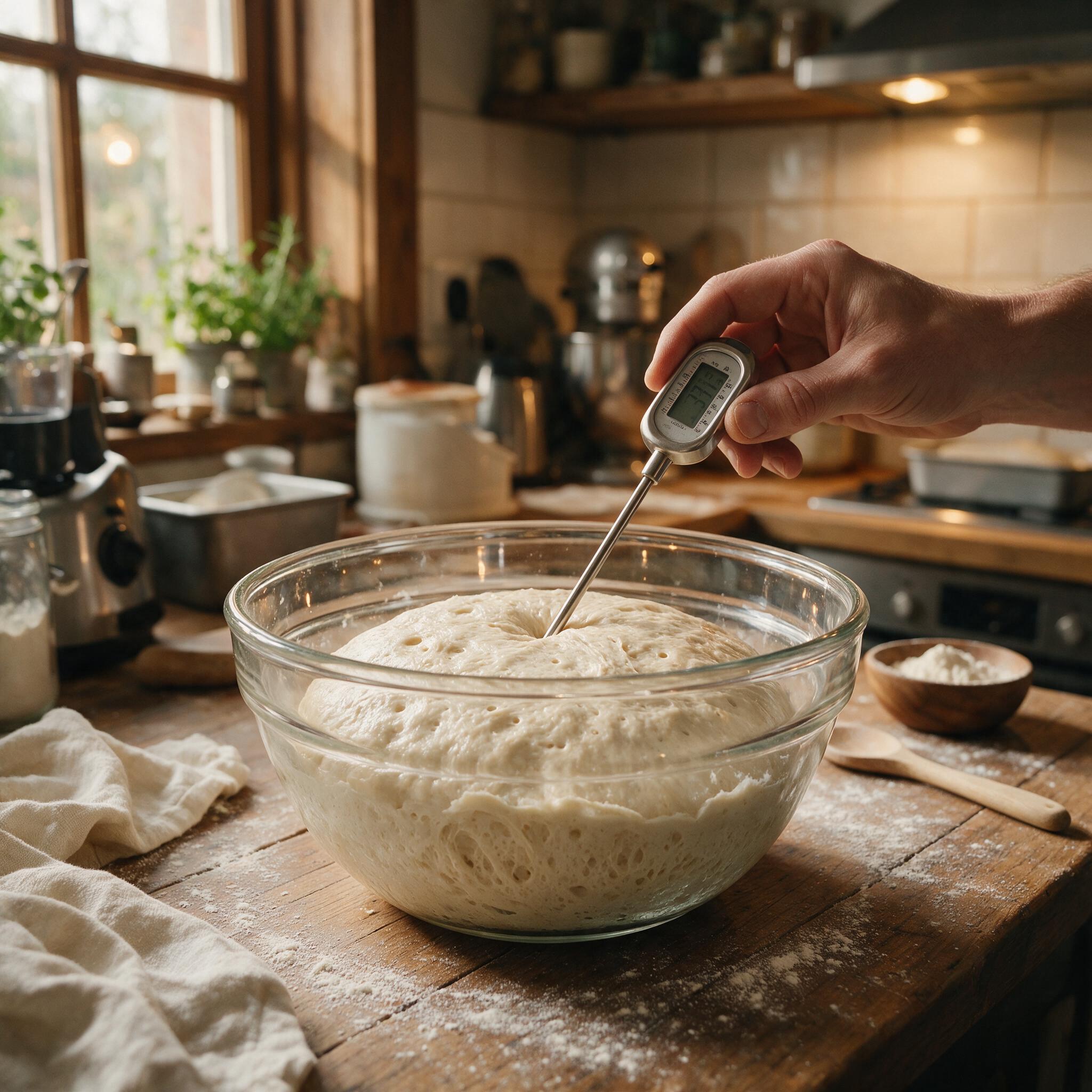
If you want a sharper, more complex flavor (the kind that hits the back of your throat):
- Bulk at 65-70°F for 12+ hours. The acetic character develops over long, cool ferments.
- Extend the cold retard. A 48-hour cold proof produces noticeably more acetic than a 12-hour cold proof.
- Use a higher percentage of whole wheat or rye in the dough. These flours have more available sugars and produce more acid.
- Feed your starter with whole wheat or rye for 24 hours before mixing. This pre-loads the microbial community with acid-producing strains.
The trick is balancing sourness with proper fermentation — a 24-hour room-temp bulk is so sour it's almost unpleasant. Most sourdough bakers find the sweet spot is a 4-6 hour bulk at 75°F plus a 12-24 hour cold retard. The bulk gives the lactic side, the retard gives the acetic side.
The Master Trick: Cold Retard Length
The single most useful adjustment for sourness is the cold retard length. The bulk fermentation is the "first wave" of flavor (mostly lactic), and the cold retard is the "second wave" (mostly acetic).
- •8-12 hour retard: Mild, lactic-forward, almost sweet.
- •16-24 hour retard: Balanced, with a clear tang.
- •36-48 hour retard: Sharp, acetic-forward, complex.
If your bread is too sour, shorten the cold retard. If it's not sour enough, lengthen it. The cold retard is easier to control than the bulk because the temperature is constant (your fridge), so timing is reliable. Most bakers find 16-20 hours is the sweet spot for everyday bread, and 24+ hours for special-occasion loaves.
Related Posts
Keep going with these related guides.